in the digital age, the threats of cyber attacks are endless, and ddos (distributed denial of service) attacks are particularly common, which can have a serious impact on any online business. in order to deal with these attacks, more and more enterprises choose to deploy high-defense servers, especially american high-defense servers. this article will explore how these high-defense servers can effectively ensure security and help enterprises resist ddos attacks.
what is a ddos attack?
a ddos attack is an attack method that floods the target server with a large number of invalid requests in order to make it unable to handle normal user requests. this kind of attack is usually launched by multiple controlled computers, forming a huge "botnet". due to the huge amount of attack traffic, traditional servers are often difficult to withstand, resulting in service interruption and data leakage. therefore, understanding the nature of ddos attacks is the first step in choosing effective protection measures.
basic concepts of american high-defense servers
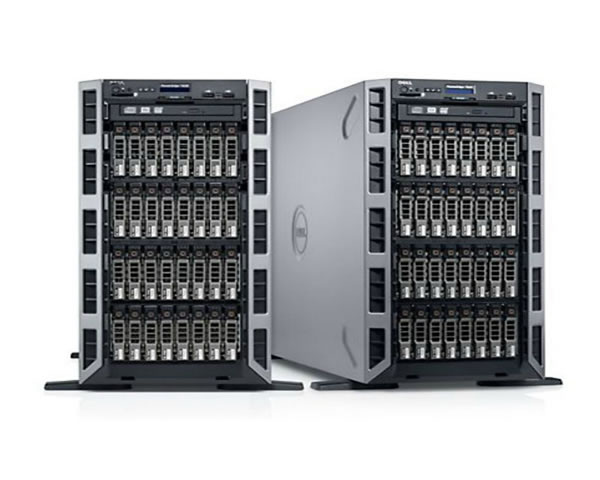
high-defense servers refer to servers with strong defense capabilities that can resist various network attacks, including ddos attacks. this type of server is deployed in many data centers in the united states and is usually equipped with multi-level security mechanisms, such as traffic cleaning, ip blacklisting, traffic monitoring, etc. these protective measures can effectively identify and filter malicious traffic to ensure that legitimate users' access is not affected.
how can high-defense servers effectively resist ddos attacks?
american high-defense servers use a variety of technical means to respond to ddos attacks. first, traffic cleaning technology can detect and clear malicious traffic in real time, allowing only normal traffic to pass. secondly, load balancing technology can distribute traffic to multiple servers, reducing the pressure on a single server. in addition, the use of cdn (content distribution network) can also effectively disperse attack traffic, making it difficult for attacks to have a substantial impact.
the importance of protective mechanisms
the protection mechanism of high-defense servers is crucial. they typically employ multiple layers of protection, including intrusion detection systems (ids) and intrusion prevention systems (ips). these systems can monitor network traffic, detect anomalies in a timely manner and take countermeasures. in addition, regularly updated firewall rules and security patches are also key to protecting servers to ensure they can withstand the latest attack methods.
performance and stability of high-defense servers
in addition to security, performance and stability are also important features of high-defense servers. many u.s. high-defense servers use high-performance hardware to ensure that service stability can be maintained in the event of an attack. at the same time, the application of cloud computing technology allows resources to be flexibly allocated and expanded according to traffic needs to avoid service collapse caused by traffic surges.
choose the right high-defense server provider
when choosing a high-defense server, enterprises should consider multiple factors, including the provider's technical strength, customer service, and past protection cases. understanding the successful experiences of different providers in ddos attack protection can help enterprises make more informed decisions. in addition, after-sales service and technical support are also aspects that cannot be ignored when choosing a high-defense server to ensure that you can get help in time when you encounter problems.
summary and suggestions
in the face of increasingly serious network security threats, enterprises choosing high-defense servers in the united states are an effective strategy to resist ddos attacks. these servers can ensure business continuity and data security through multi-level security mechanisms, powerful performance and stability. when choosing a high-defense server provider, technical strength and service quality should be considered comprehensively to ensure the best protection effect. be sure to perform regular security assessments and updates to keep up with the ever-changing cybersecurity landscape.
- Latest articles
- Popular tags
-

Practical Guide To Optimizing Rental Costs For 1.5T Server Farms In The United States: Bandwidth Billing And Traffic Control
A practical guide to bandwidth billing and traffic control for 1.5T server clusters in the United States, covering billing models, traffic management, architecture and content optimization, monitoring, and contract recommendations to help reduce rental costs and improve stability. -
-

How Us Server Hosting Costs Impact Your Business Decisions
this article explores how us server hosting costs impact an enterprise's business decisions, including cost, performance, security and other considerations.